
Malapascua Guide
Malapascua is one of those islands in the Philippines that has stolen our hearts. The first time we set foot on its fine sandy shores, we knew we would be back, which is why we have since spent several extended periods there during our travels, and it has almost become our “island home.” In this Malapascua guide, we are going to tell you everything you need to know to make the most of your experience on this island. How do you get there? What is there to do in Malapascua? Where should you stay? The trip to the Kalanggaman sandbar, diving with thresher sharks… Each section of this guide links to articles dedicated entirely to that topic, giving you all the information you need to travel around the Philippines independently. And remember, if you have any questions, we are here to help.

Malapascua is a tiny island measuring 2 kilometers long by 1 kilometer wide, with very few paved streets. As you walk around Malapascua, you’ll wander along narrow sandy lanes where you’ll never come across a car; sooner or later, they’ll lead you to the sea. Life moves slowly here, and smiles await you around every corner, making you feel at home. It is not the island with the best beaches in the Philippines, nor does it have waterfalls or rice fields, but it has a special magic that draws you in and makes you not want to leave. More and more travelers are leaving behind that old, false dogma that “there is no point in going to Malapascua if you don’t dive,” and this Malapascua guide will make it easy to understand why.
THINGS TO DO IN MALAPASCUA
There is plenty to do in Malapascua, and although you won’t find island-hopping tours or large waterfalls here, we are sure this island will plant a seed in you that will make you want to come back for more on a future trip. In this Malapascua guide, we highlight the following:
- Langob Beach: a long, sweeping beach with white sand and turquoise water, waiting for you to enjoy a relaxing day in an area with barely any businesses. Nearby, you can take in the views from the island’s lighthouse and explore the abandoned resort.
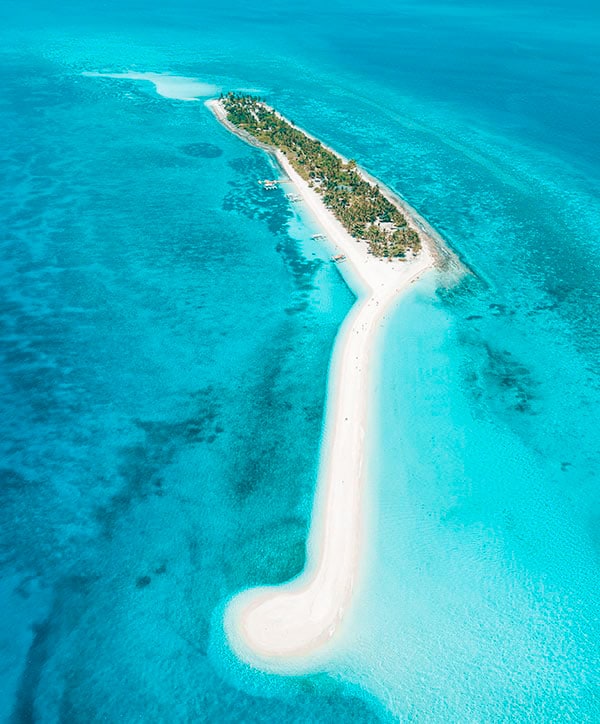
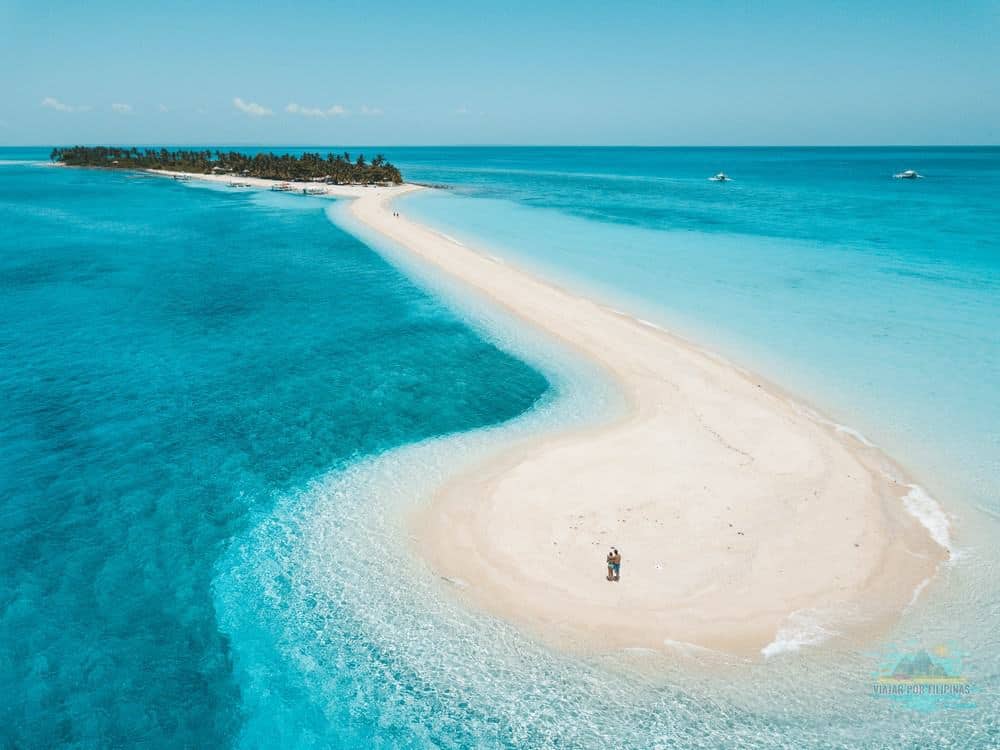
- Trip to Kalanggaman Island: the island has one of the most famous sandbars in the Philippines, stretching for more than 200 meters. You can visit this incredible paradise on a day trip or even stay overnight if you want to feel like a castaway on a deserted island.
- Diving in Malapascua: this island is one of the Philippines’ many paradises for divers. In addition to having unique dive sites featuring coral and pygmy seahorses, it is a unique place in the world to dive with thresher sharks.
- The unique atmosphere: Malapascua’s vibe is difficult to describe, but trust us—its pace of life, smiles, and atmosphere make simply being there worthwhile.
There is much more to do in Malapascua, and we tell you all about it in detail here:
KALANGGAMAN TRIP
If you have seen photos of the Kalanggaman sandbar, it is very likely already on your list of must-do activities in the Philippines. You can look forward to 3–4 hours of relaxation and fun, during which you can snorkel, swim in the main beach area, eat, walk along the sandbar, or even enjoy activities such as kayaking. If a 3–4-hour trip to Kalanggaman is not enough, you can take the experience to another level: you can stay overnight on Kalanggaman Island. Don’t expect much in the way of luxury or comfort, as you will be sleeping in a very simple hut, but in return you will get to enjoy this paradise practically all to yourself once the vast majority of tourists leave at around 3:00 p.m.
Bear in mind that the sandbar changes with the rise and fall of the tide. As a result, it appears and disappears at a different time each day. You can check the tide table in the article “Trip to Kalanggaman from Malapascua.”
MALAPASCUA BEACHES
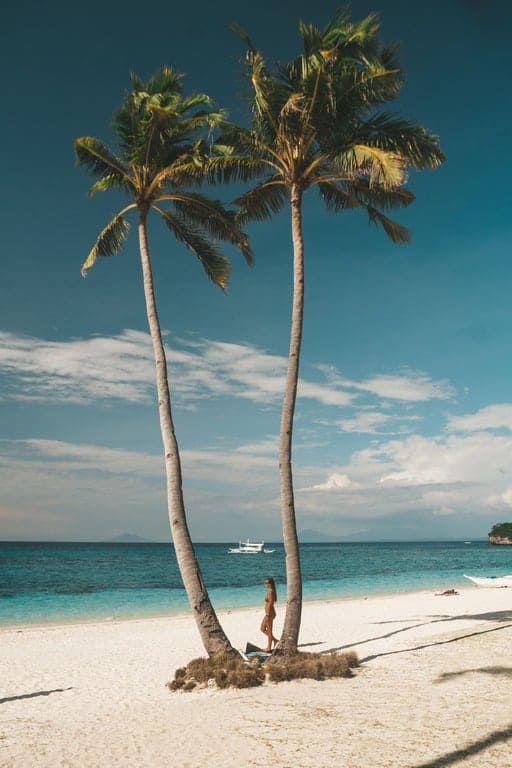
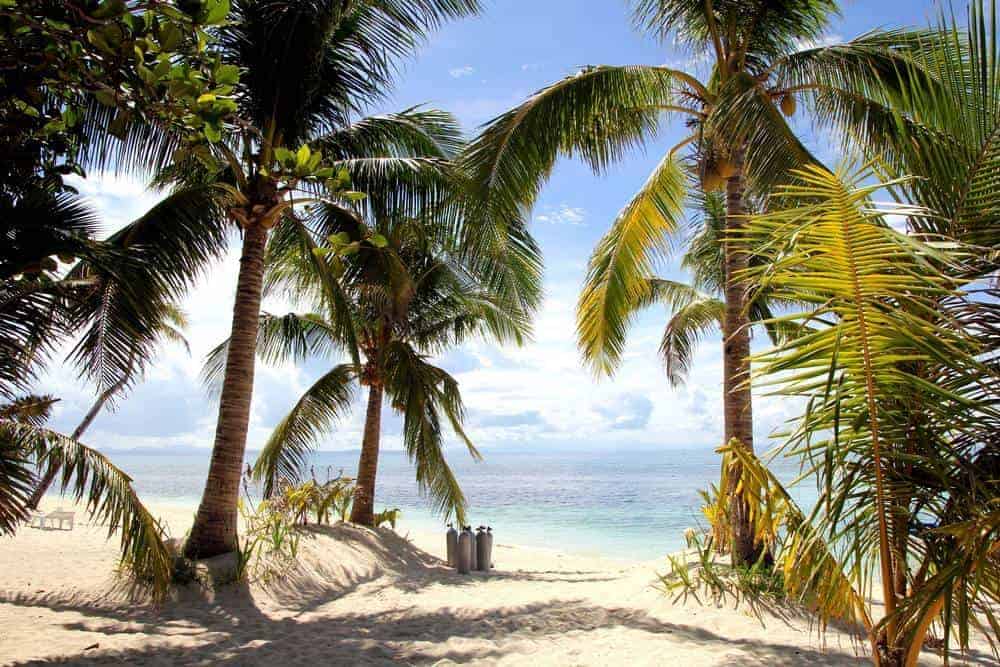
We will never tire of debunking the false myth that “Malapascua isn’t worth visiting if you don’t dive.” This tiny island offers far more than you could imagine, and its beaches are one of the island’s treasures. Fine sandy beaches, white sandy beaches, beaches with coconut palms, beaches with crystal-clear water that will leave you speechless… And best of all, beaches where you will often be able to enjoy a swim entirely on your own. Discover the best beaches in Malapascua in this guide:
DIVING IN MALAPASCUA
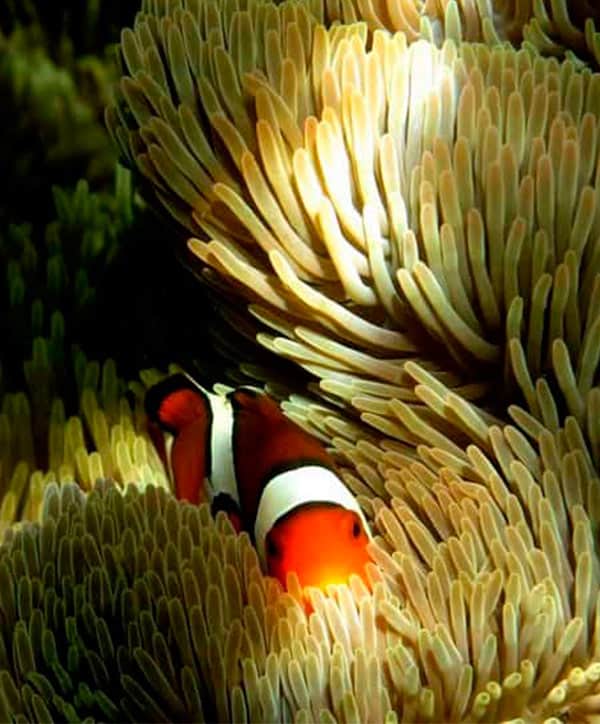
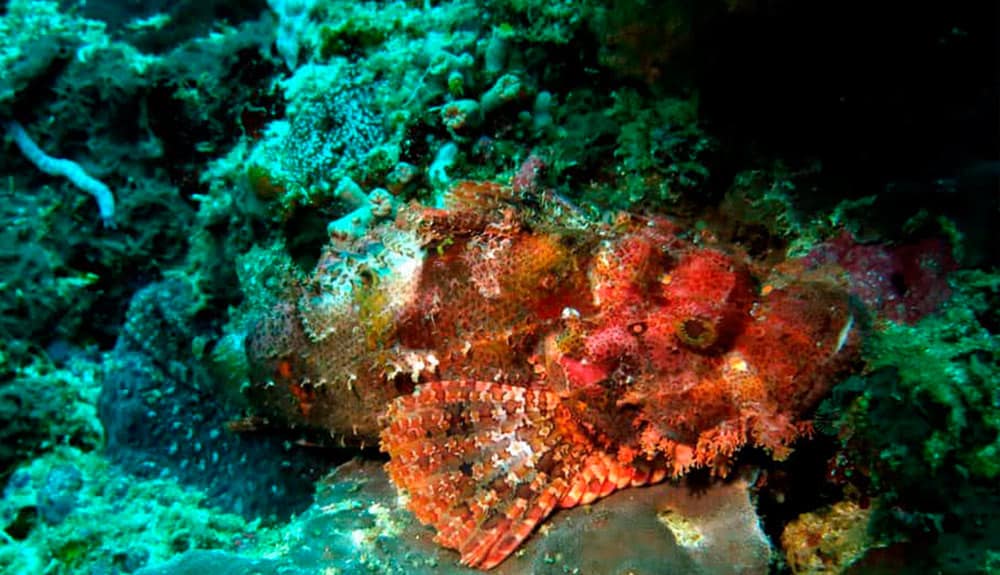
Malapascua is an ideal destination for anyone who loves diving in the Philippines, as it offers a spectacular range of options to suit every taste. For example:
- Lighthouse Reef draws night-diving enthusiasts from all over the world because here you can see small seahorses, tropical shrimp, and dwarf cuttlefish, as well as watch the beautiful mandarin fish perform its courtship dance.
- At Gato Island, whitetip sharks, frogfish, pygmy seahorses, and a magnificent carpet of coral await you.
- The Doña Marilyn Wreck is Malapascua’s most famous shipwreck. This 90-meter-long ferry sank in 1988 because of a typhoon, and today you can still dive down to see its black coral, scorpionfish, and the rays that now frequent it.
If you do not yet have a diving certification, you will find several dive schools in Malapascua where you can earn both your Open Water and Advanced Open Water certifications. Head over to our “Diving in Malapascua” guide here:
THRESHER SHARKS IN MALAPASCUA
Malapascua is one of the best places not only in the Philippines but also in the world to dive with thresher sharks. Every morning at around 5:00 a.m., this spectacular animal rises from the depths of the ocean to visit Kimud Shoal. This is a “cleaning station” where thresher sharks go to have parasites removed by the fish that live there. What’s more, now that the sharks have moved from the deeper Monad Shoal, the visibility is fantastic, and it is possible to see many of them on a single dive.
Because the site is so special, diving with thresher sharks in Malapascua requires an Advanced Open Water certification. Alternatively, if you are only an Open Water Diver, you must dive with an instructor and follow certain special rules. Don’t worry—we explain how to enjoy this experience here:
HOW TO GET TO MALAPASCUA
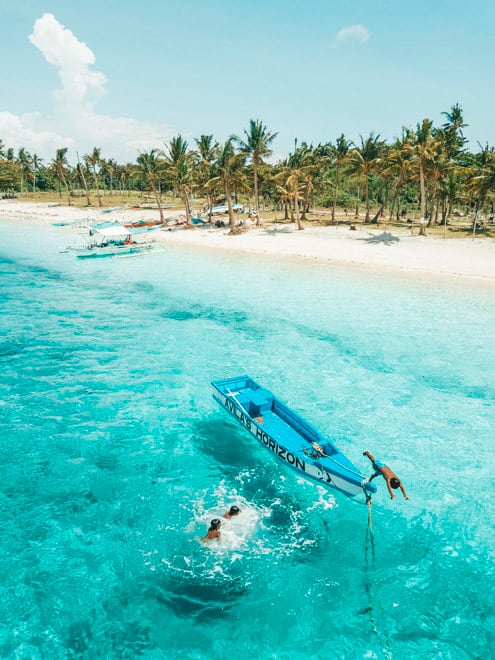
One important thing to bear in mind when traveling to Malapascua is that this small island does not have an airport and, unlike neighboring Bohol and Siquijor, is not served by large ferries. For this reason, the most common way to get there is by bangka from the small port of Maya, at the northern tip of Cebu Island. The journey takes approximately 35 minutes, depending on sea conditions, and you can either take a public bangka or hire a private one if you do not want to wait for other passengers to arrive so you can share the public boat with them.
To reach Maya Port from Cebu—the most common route—you can take a public bus, a shared van, or a private taxi. These three options vary in price and travel time: the taxi is the fastest and most expensive, while the bus is the cheapest and slowest because it makes several stops along the way.
We have given you a brief overview in this Malapascua guide, but you can find all the details on how to get to Malapascua from Cebu and Bantayan here:
WHERE TO STAY IN MALAPASCUA
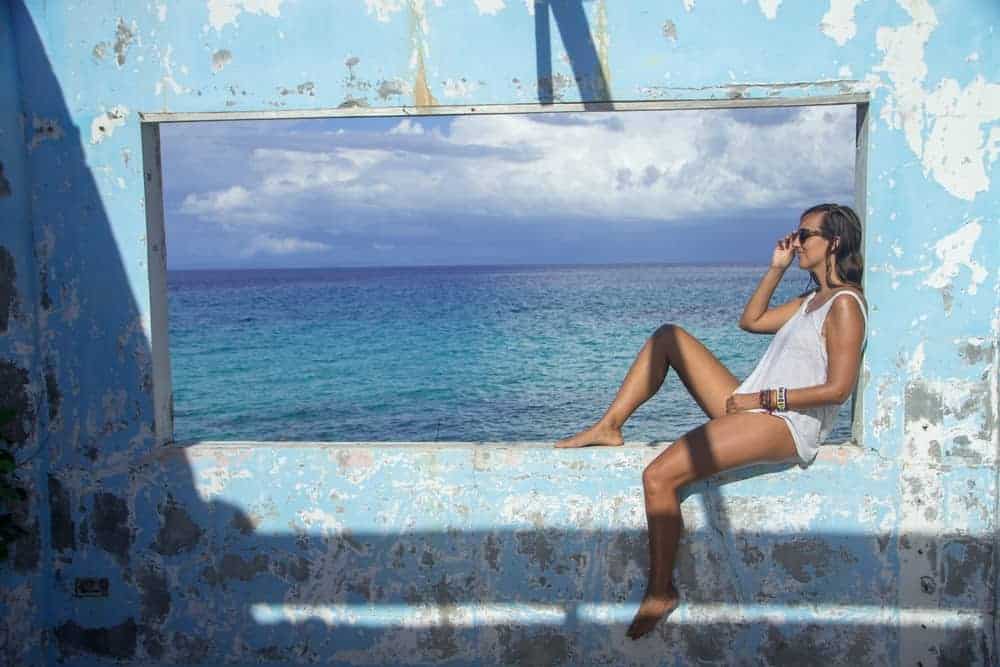
There are all kinds of hotels and accommodations in Malapascua, from hostels with shared rooms for travelers on a tight budget to modern resorts offering the best amenities. You can stay in Malapascua for as little as €6; how much you spend is up to you. However, bear in mind that during periods such as Chinese New Year, Christmas, and Holy Week, booking your accommodation in advance is highly recommended, as local and Chinese tourists tend to book up many of the available hotel rooms.
We have prepared a detailed guide to hotels in Malapascua so that you can find the one that best suits your needs and budget:
WHERE TO EAT IN MALAPASCUA
Given how tiny our beloved Malapascua is, you might think that your options for lunch and dinner would be rather limited. Quite the opposite! Here you can enjoy delicious local food, dine at restaurants with international menus, and have a drink at bars while enjoying a beautiful sunset. This section of the Malapascua Guide features a wide variety of places where you can satisfy your hunger and quench your thirst—and it will make your mouth water. Enjoy!
TIPS FOR VISITING MALAPASCUA
- ATMs IN MALAPASCUA: over the past year, ATMs operated by Euronet have appeared on the island, but they are not particularly reliable. We recommend bringing plenty of cash and only using them in an emergency. You can exchange money at the Ocean Vida resort. That said, there are a couple of pawnshops on the island where you can get cash through Remitly, which is the best option and will save you a lot in fees.
- HEALTH: there are no hospitals or clinics in Malapascua. Travel insurance that covers medical transport and diving is essential in a place like this. You can get a 5% discount on your travel insurance here.
- WHEN TO TRAVEL TO MALAPASCUA: the best time to visit Malapascua is from December to May.