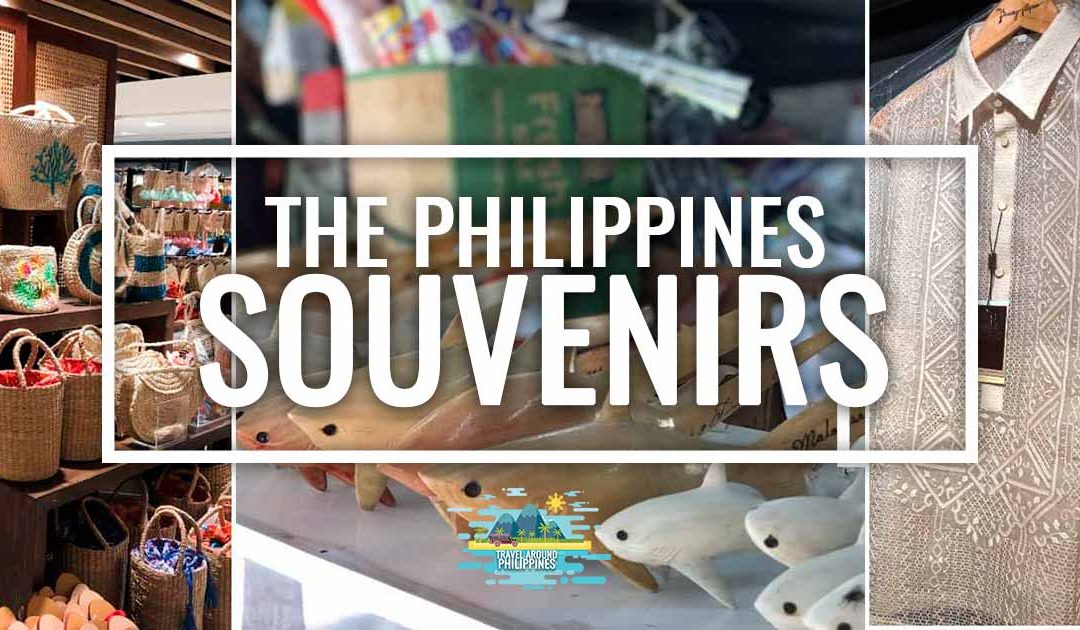
What to buy in the Philippines? The best part of any trip is, of course, the memories you make, but it’s always nice to bring home a little something that reminds you of those special moments.
As in any destination, there are thousands of interesting things to take home from the Philippines, from classic souvenirs to elaborate handicrafts and local delicacies to share with your family and friends while telling them about your trip. This is what locals call pasalubong, and you’ll soon see how important it is, as souvenir shops are everywhere.
If you’ve made it this far, it’s probably because you want to bring something home, but you don’t know what’s really worth it or where to get it. That’s why below you’ll find a good summary of what we think is most worth buying in the Philippines (including the famous pearls and imitations) and where to get it. We’ll also talk about malls and shops in the Philippines across its major cities and tourist hotspots.
Typical things to buy in the Philippines
Although at first glance it may not feel as exotic as Thailand or Indonesia, the truth is that the Philippines is an archipelago with hundreds of ethnic groups, different languages and cultures, which is reflected in a rich variety of handicrafts, textiles and other products. Add to that the fact that you’ll find materials very different from those we have back home, and these are used to make the handicrafts we love so much. Each island is unique in this sense, which makes the range of possibilities even wider.
It’s also more affordable than Europe, the US and much of Latin America, so it’s easy to find good deals on things like clothing. On top of that, not-so-secret counterfeits or imitations are easy to find, as well as other products like pearls (be careful, as some of them are fake) that tend to be much more expensive elsewhere. That said, unlike other Southeast Asian nations such as Singapore or Thailand, here you won’t find major deals on electronics.
If we had to pick something special to buy in the Philippines, we’d focus on minority-group handicrafts, homeware made from local materials, bags, textiles made from piña fabric (more on that below), and food—especially delicious dried mango, which is hard to find elsewhere.
In any case, we’ve put together a solid list of things to buy in the Philippines because we know that everyone’s tastes are different. Below we’ll list souvenirs from the Philippines that we find interesting, as well as other items travelers often ask us about.
Buying handicrafts in the Philippines
You’ll find handicrafts in many parts of the Philippines thanks to the archipelago’s incredible cultural richness. However, if you’re especially interested in traditional tribal pieces, we recommend exploring the Cordillera region, north of Manila. In Banaue, Bontoc and Sagada you’ll find beautiful textiles and wood carvings with centuries of tradition behind them.
Meanwhile, the Ilocanos are experts in pinilian, the Aklanons in piña, and some Mindanao tribes in mabal tabih or saputangan, along with many other beautiful embroidery traditions. If this is your passion, the National Museum of the Philippines in Manila has a permanent exhibition on the subject.
- Abaniko or pamaypay: as the name suggests, this object is a Spanish legacy. The abaniko is the closest equivalent to the Spanish “abanico”, so we find the pamaypay or paipay even more interesting, as it’s made from the leaves of a type of palm, the buri palm. It’s usually more colorful and also makes a lovely decorative piece.
- Sungka: if you like traditional games, sungka is the Filipino version of mancala. Studies show it has been used since at least the 17th century. The pieces are usually shells and the board is wood, which makes it a lovely decorative piece as well.
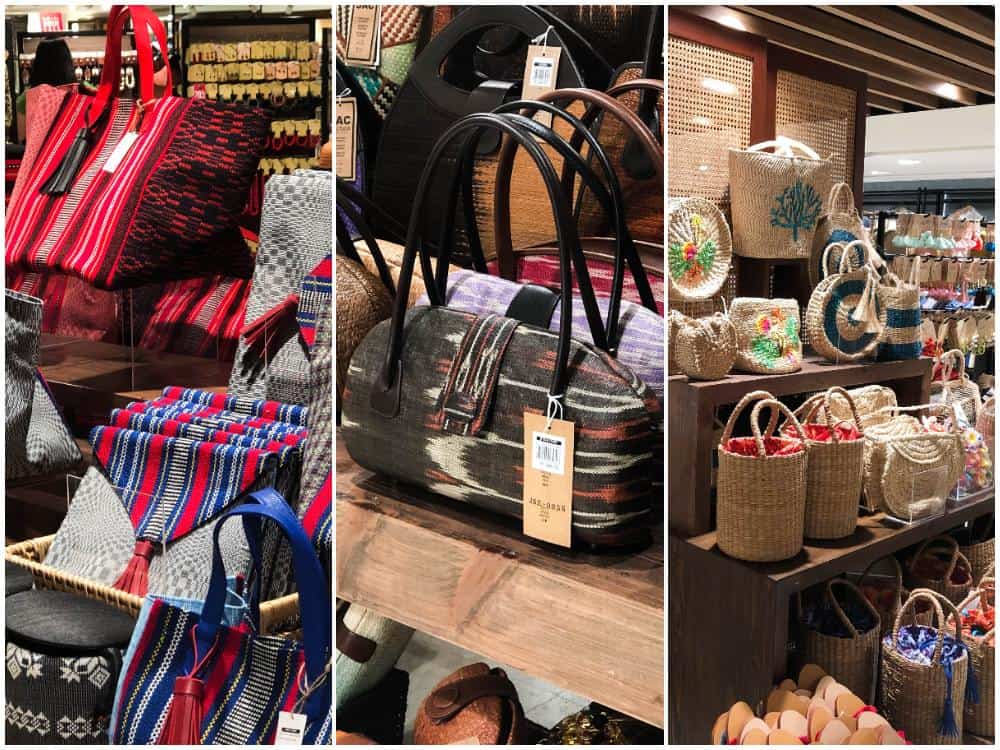
- Products made of banig: banig is a mat made with buri palm leaves or other leaves such as tikog or pandanus, depending on regional materials. It’s used for sleeping or sitting on the floor and is one of the country’s emblems. In fact, the logos of the Philippine Department of Tourism campaigns are inspired by banig weaving. It’s usually very colorful, and it’s used not only for mats, but also for products such as placemats, bags or toiletry pouches.
- Bags: you’ll find all kinds of bags, whether in banig or other traditional textiles. If you’re after something a bit more elegant, the brand Aranáz has several shops around Manila.
- Salakot: you’ve seen all those photos of your friends in Vietnam with the typical conical hat and you want a similar Philippine memento. Don’t worry—the salakot (or salacot) is the Filipino version. Although it’s not used as much as in other countries, this hat is traditional in areas with lots of rice fields or where people spend long hours working in the sun, as it protects the face and neck. You can find them in shops near farming areas or in souvenir shops.
- Walis tambo: it may sound a bit odd, but we’re big fans of Filipino brooms. Usually made from natural materials like cane or bamboo, they’re quite small and perfect to take home as a Philippine memento. There’s an indoor version and an outdoor one, the latter being rougher.
- Kubing: if you’re very musical or want to buy something quirky in the Philippines, grab a kubing. It’s a bamboo jaw harp that’s often intricately decorated. It may take a little practice to learn how to play it, but it will look beautiful at home.
- Abacá and bamboo products: abacá is a plant native to the country, and Manila hemp is a fiber extracted from it. Because it’s so strong and durable, there are plenty of decorative and household objects that make great keepsakes from your trip to the Philippines. Baskets are the most common, but you’ll also find tablecloths, napkins or bags. The same goes for bamboo, which is also used for objects like trunks, as it’s a very common material across the country.
- Kamagong utensils: kamagong is a type of black ebony native to the Philippines. Its wood, in addition to being beautiful, is very hard; besides furniture, it’s also commonly used for plates and wooden utensils—the most popular being salad servers. A great classic Philippine souvenir.
- Bamboo straws: with the growing awareness among locals and tourists to reduce plastic consumption, on almost any island you’ll be able to get pretty bamboo straws to use at home later. It’s also a very inexpensive Philippine souvenir.
- Coconut bowls: nothing too fancy, but with the huge number of coconut trees in the country, these pretty bowls are super cheap and will instantly take you back to the Philippines every time you use them at home.
- Balisong: if you’re looking for quirky Philippine souvenirs, a balisong makes a very distinctive one. The butterfly knife or fan knife is typical of Batangas. Take care to check it in your luggage, as it won’t be allowed in your carry-on bag.
- Wood carvings: it’s said Filipinos have practiced wood carving for more than 2,000 years, so you’ll find beautiful decorative objects such as masks. Particularly interesting are those of the Ifugao tribe (Banaue/Batad), which use ipil or acacia wood.
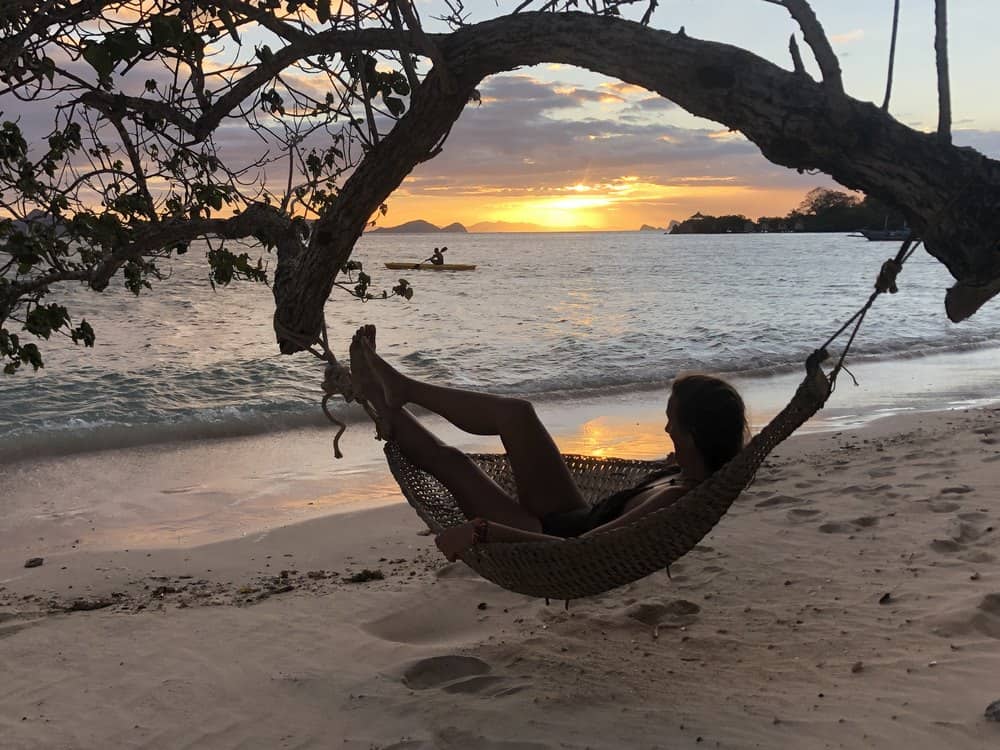
- Hammocks: fabric hammocks aren’t that common in the Philippines, but you’ll fall in love with the rattan ones. They instantly bring to mind a paradise beach and also roll up in a way that makes them fairly easy to carry.
Buying souvenirs in the Philippines
As you can see, there’s handicraft shopping for days, but of course you can also bring home souvenirs from the Philippines. You’ll find them in just about any touristy area.
- T-shirts: you’ll find the typical ones with island names or tourist attractions. We think the ones at Kultura Filipino are nicer (we talk about them below).
- Jeepneys and tricycles: they’ll amaze you the first time you see them and you’ll remember them forever, so one of the best things to buy in the Philippines is a small reproduction of these colorful vehicles.
- The man in the barrel: okay, it’s not the most elegant Philippine souvenir, but it’s certainly one of the quirkiest. It’s a wood carving of a man or woman inside a barrel that, when removed, reveals a prominent penis. It’s a common keepsake from Mountain Province, where it’s said to represent a local deity.
- Keychains and magnets: you can find all kinds, though the most common are those of tarsiers or marine animals such as the whale shark.
Please avoid taking shells, corals or products made from them. While most of what’s sold isn’t banned, continuous harvesting degrades the environment.
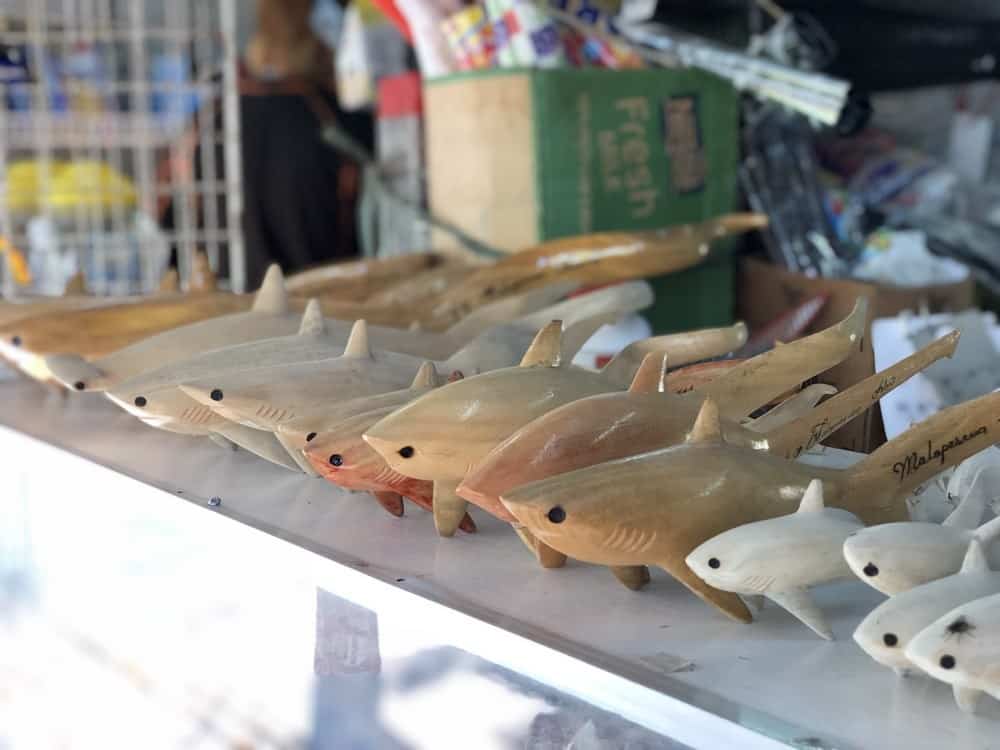
Wooden thresher sharks in Malapascua
Buying typical Filipino food and/or drink
If you want to take the best flavors of the Philippines home to remember your trip or as gifts for friends, we suggest the following:
- Dried mangos: by the end of your trip, you’ll probably agree with us that Philippine mangoes are the best in the world. Taking them home fresh is a bit impractical, as they ripen very quickly, so the best way for your friends to try them is dried. This is one of the go-to gifts to bring from the Philippines, and you’ll find it at any airport, but if you want to save a bit, it’s best to buy it in advance at any supermarket. The best-known brands are 7D, Cebu Brand and Philippine Brand. We like 7D the most.
- Banana chips: it sounds silly, but banana chips are wonderful and very inexpensive.
- Buko pie: buko means coconut, so this delicious pie or tart is a great thing to buy in the Philippines and share with friends. It’s usually sold in a box, so you can take it home more or less protected.
- Coconut oil: this oil is good for everything (cooking, moisturizing skin…). As there’s even overproduction in the Philippines, it’s a very budget-friendly buy.
- Coffee: coffee has been cultivated in the archipelago for more than 300 years and, although you’ll get tired of all those instant sachets, there’s very good coffee grown in Luzon. In fact, the capital has seen a coffee revival in recent years and you’ll find lots of cool cafés where you can drink it and buy beans to take home, like Commune or Fresh Roaster Coffee Tonya, two of our favorite cafés in Manila. One of the most iconic Philippine coffee varieties is barako, which in Tagalog means “strong man,” and is grown mainly in Batangas and Cavite. It’s said this was introduced with the arrival of the Spaniards, who brought Liberica coffee from Liberia. There’s also alamid coffee, the Philippine version of kopi luwak. It passes through the digestive system of a civet—an animal that is often kept in poor conditions, as they’re crammed into cages. So we encourage you to practice responsible tourism and avoid it. If you ask us, the best are the Arabicas from Mindanao and Sagada.
- Mango or calamansi seeds: mango may be harder to sprout, but you can take some calamansi (the small Philippine lime) and try to grow it in your country.
- Rum: it’s hard to end your trip without having tried the iconic Tanduay rum. You can take home a bottle, but if you’ve got a bigger budget, don’t hesitate and buy Don Papa—it’s much tastier. Remember you’ll have to check it in or buy it at the airport.
- Lambanog: if you want something even stronger, coconut wine (also known as coconut vodka) is for you. It’s often drunk straight from the same bottle, shared—but be careful, it can reach 80 or 90 percent alcohol. At Kultura Filipino they sell it in a bottle with coconut, so it even works as a decorative object.
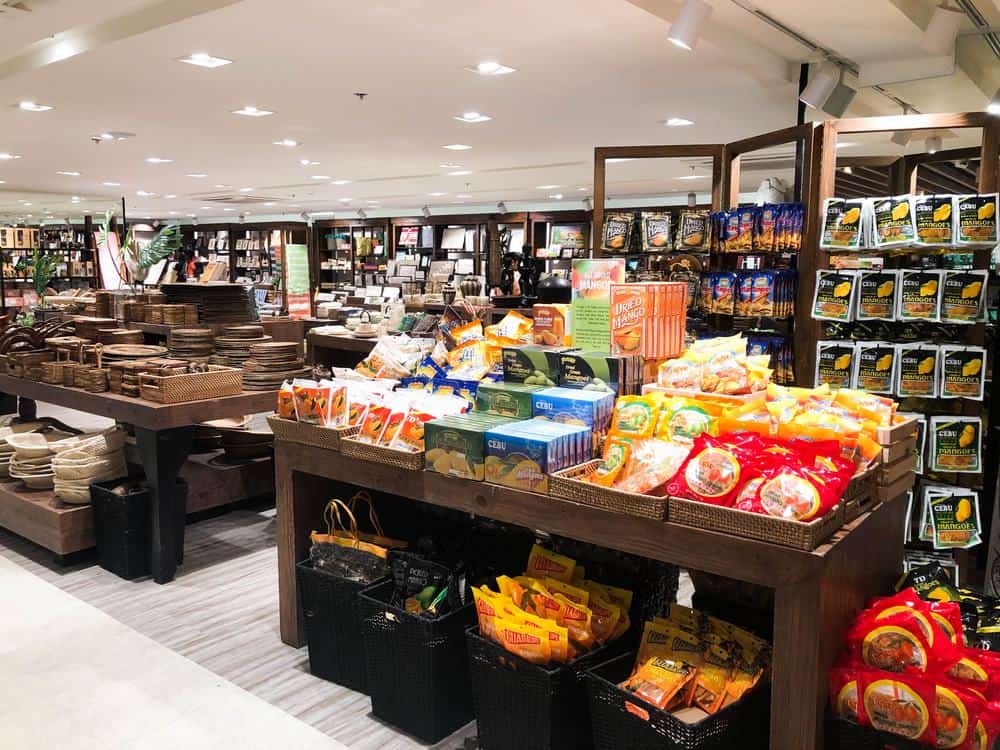
Dried mango and other snacks to take home
Buying pearls in the Philippines
That’s right: pearls are one of the most popular things to buy in the Philippines. Some are found naturally on the seabed, while others are farmed. You’ll see them in several colors—golden, pink, white or gray—as well as in various sizes. There are also more affordable Philippine pearls, as they’re freshwater-grown.
How can you tell whether Philippine pearls are fake? Of course, there’s a risk of buying pearls in the Philippines that turn out to be fake. Although it’s not foolproof, it’s said that if, when you try to bite or rub them, a bit of powder or sand appears and the mark disappears, they’re real. Other things to look for in genuine pearls:
- Check the pearl’s color and sheen.
- Make sure the luster (how shiny it is) is even.
- Check whether the surface is uniform; if it’s sanded, it loses value.
- The larger they are, the more expensive they tend to be.
- Look at the shape. The rounder they are, the more valuable—but really, it’s a matter of taste.
Even so, our recommendation is to look for places you can trust. One of the most popular is Greenhills Shopping Center in Manila. There you’ll find a collection of small shops to buy pearls in the Philippines. If you want something that inspires more confidence, at Kultura Filipino they sell them with a certificate of authenticity, as do other malls such as Robinsons in Puerto Princesa (Palawan) or the various Jewelmer branches.
If you’re ready to splurge and take home a truly special Philippine keepsake, you’ll be interested to know this is one of the few places in the world where golden South Sea pearls are found. The best-known shops with the best prices are in Puerto Princesa. Another interesting place to buy pearls in the Philippines is Davao or Samal, as this is where farms are concentrated, in addition to Palawan.
How much does it cost to buy pearls in the Philippines?
Well, that obviously depends on quality. The most irregular freshwater ones start at 150 Philippine pesos per pair. A decent-quality necklace can cost you 2,000 pesos. If you want something more special, be prepared to spend a few thousand dollars.

Buying pearls in Binondo (Manila)
Buying clothes in the Philippines
- Traditional Philippine clothing: if you’re after something traditional, there’s no doubt about it—you should look for clothing made of piña. This delicate fiber is mainly used to make the barong (men) and baro’t saya or terno (women), the national costumes of the Philippines used on special occasions such as weddings. Depending on quality, they’re more or less pricey, but as a rule, they’re not very cheap.
- Basketball jerseys: there’s no doubt that the national sport is basketball, so you may want to buy basketball jerseys in the Philippines. Particularly nice are those of the Philippine national team, although we warn you they can be hard to find. In Coron and El Nido, almost every stall now sells imitation ones.
- Clothing in general: of course, in the Philippines you can also buy both simple clothing and international brands. It’s not something we personally seek out, and we don’t think it’s unique to the country; but if you’re looking for bargains, you’ll find them in big complexes like SM department stores, The Landmark or Glorietta, or at Philippine markets like Greenhills or Divisoria (Manila). Don’t expect top quality. You’ll also find clothing and footwear from international brands, but usually not at cheaper prices. If you’re looking for Philippine brands, there’s Bayo, Bench, Penshoppe and Kamiseta, among others.
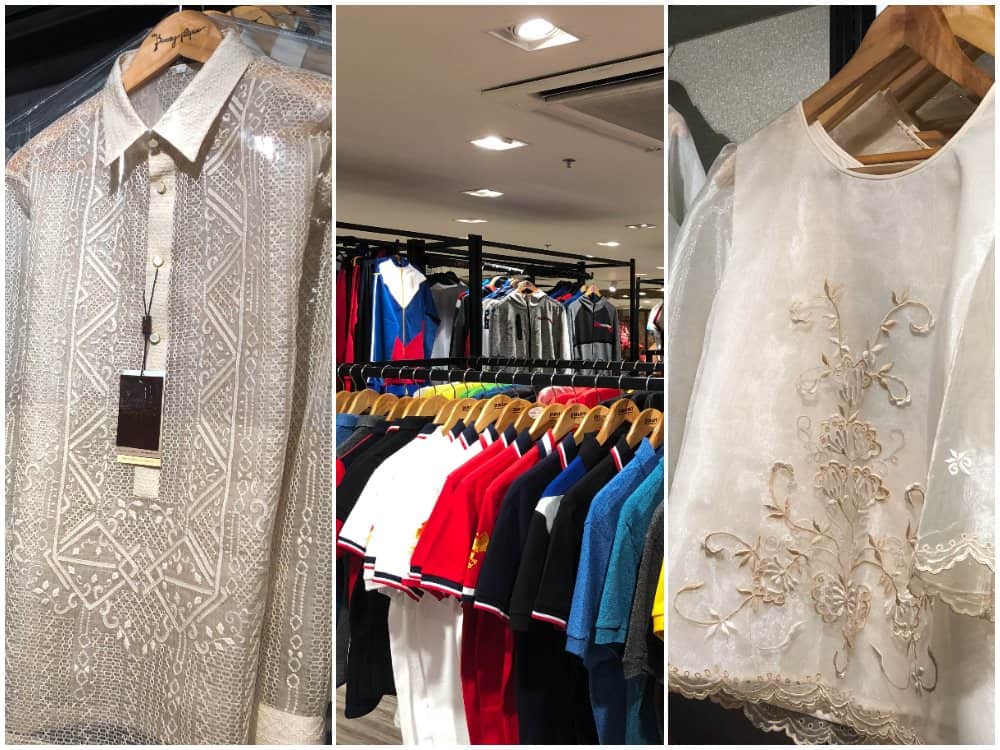
Barong (left), polos and sweatshirts (center) and baro’t saya (right)
Buying electronics in the Philippines— is it cheaper?
You may have heard that buying electronics in the Philippines is cheaper. And although that may sound understandable given the lower cost of living, the truth is that it doesn’t really pay off. Hardly anything is produced in the Philippines, so everything is imported and prices can even be higher than in Europe or the United States. It’s not comparable to shopping in other places like Hong Kong, Singapore or Kuala Lumpur. Add to that the fact that there’s no VAT refund of any kind even if you’re a foreigner, and we don’t see much advantage.
If you’re set on buying, be very careful and ask where the warranty is valid. Most electronics you buy in the Philippines only have a local warranty, which means that if you have any issues in your country of residence, you’ll have to pay for repairs.
If you don’t need something of very high quality—just something basic—there’s a chain called CD-R King, and you’ll find small stalls in malls selling mobile accessories, power banks, headphones…
Buying imitations in the Philippines— is it worth it?
If what you’re looking for is imitation clothing, footwear or accessories in the Philippines, you’ll find them relatively easily. Obviously prices won’t be like in China, but it’s definitely possible to find counterfeits in the Philippines such as Chanel-style bags, Nike sneakers, Havaianas flip-flops or Gucci-style T-shirts. The most popular place to shop for them is Greenhills mall, where there are literally hundreds of stalls selling this kind of thing.
By the way, there’s also a solid market for imitation watches in the Philippines. You’ll find them at Greenhills as well.
Keep in mind that, although the risk at a small scale is low, buying this type of item isn’t entirely legal and, of course, the quality isn’t great.
Do you haggle in the Philippines?
As a general rule, yes, you do haggle in the Philippines—although it depends on where you’re shopping. In more formal shops and malls where prices are marked, you may get odd looks if you try to bring the price down. In smaller businesses, when you’re buying several items or high-value objects, you can try to negotiate the price a bit.
Even so, Filipinos aren’t such hard bargainers as, for example, the Chinese. In most cases they get tired of haggling and, even if you don’t buy, they stop paying attention to you. They also don’t usually start with ridiculously high prices, so pushing too hard doesn’t usually work well.
On the other hand, we encourage you not to go overboard with the art of haggling in the Philippines. We often get too caught up in getting discounts without realizing that a few pesos less means a lot to them and little to us.
Where to shop in the Philippines
Now you know what to buy in the Philippines—but where’s the best place to do it? You’ve got plenty of opportunities, especially in tourist areas. Still, depending on what you’re after, some places are better than others.
As a rule, in Manila and Cebu, the country’s big cities, you’ll find more options whether you’re after something higher-end or more budget-friendly. Manila is a better place if you’re looking for cheap clothing and imitations/counterfeits, as it has some of the best malls and markets in the Philippines for finding them.
We’ve put together a selection of the best places to go shopping in the Philippines. If you want to see it more visually, at the end of this section you’ll find a map where we’ve marked them all.
Before getting into detail, if you’re passing through Manila, Cebu or Puerto Princesa and don’t want to overcomplicate things, we highly recommend looking for a Kultura Filipino shop. These are usually located in malls called SM, and they bring together home and decor items made with traditional materials, textiles, typical clothing (the lovely barong and its women’s version), as well as T-shirts, small tricycles or jeepneys, and even food products such as dried mango or coconut wine. Prices—though higher than in more basic shops—are quite good, and the quality isn’t bad.
Another popular souvenir chain is Islands Souvenirs, usually located inside malls and airports. There you’ll find T-shirts, magnets, keychains… Don’t expect items as nice as at Kultura Filipino.
Shopping in Cebu, Philippines
Cebu is a city you’ll pass through several times on your trip, as it’s a gateway to places like Bohol, Moalboal or Malapascua. It also has an international airport, so it can be a handy final stop for shopping in the Philippines. Here are a few places worth checking out.
- Kultura Filipino: in Cebu you have two branches, one in SM City (downtown) and another in SM Seaside (farther away, but the best mall in the city).
- Islands Souvenirs: there are shops in SM City, Ayala Mall (our favorite mall), SM Seaside, near the port and near the airport.
- Jerry’s Guitar: Lapu-Lapu City (the city and island where the airport is located, adjacent to Cebu City) is known as the “Guitar Capital.” Here you’ll find lots of quality guitar shops like this one.
- Ferangeli Guitar Handcrafter: as with guitars, you’ll also find lovely ukuleles.
- Shamrock Pasalubong Center: with four locations across Cebu, it’s a well-known place to pick up snacks at better prices than in supermarkets.
- Carbon: this is Cebu’s public market, so you’ll find food as well as simple souvenirs and handicrafts.
- Borloloyan: right next to SM Cebu City there’s a cluster of small souvenir shops where you can buy more cheaply than elsewhere. We’ve marked where it is on the map, but if you don’t find them, ask around and someone will point you in the right direction.
- Ayala Mall: this is one of Cebu City’s best-organized malls and where you’ll find the widest variety of things to buy in the Philippines. Besides the Islands Souvenirs shop, you’ll see small handicraft and souvenir stalls spread along the mall’s corridors. On the electronics floor there’s also a collection of small booths selling gadgets and items for phones and cameras, such as waterproof domes or imitation GoPro cases.

Kultura Filipino, the best chain of stores for shopping in the Philippines
Shopping in Manila, Philippines
In the capital you’ll find the widest variety of shops, especially if you’re looking for handicrafts, counterfeits or cheap clothing. Here’s where to shop in Manila:
- SM Mall of Asia: one of the largest malls in the Philippines. In addition to a Kultura Filipino, there are souvenir stalls.
- Kultura Filipino: they have branches in Mall of Asia, Ayala Center (Makati), Greenhills Shopping Center (where Greenhills, the imitation market, is) and SM Aura (BGC), among other malls.
- Greenhills: as we mentioned above, this cluster of small shops is the go-to place for imitation clothing, cheap clothing, pearls and even handicrafts in the Philippines. Electronics are also sold on the upper floors.
- Souvenir Island General Merchandise: souvenirs and a bit of handicraft in the Quiapo area, relatively close to Intramuros.
- Tesoros Philippine Handicraft: together with Kultura Filipino, here you’ll find handicrafts from anywhere in the Philippines, including traditional textiles and national costumes.
- Silahis: whenever we pass through Intramuros, we like to stop by this multi-level shop. In fact, we include it on our Intramuros route. It has a strong focus on furniture and art, as well as ethnic minority products and souvenirs.

Silahis store, in Intramuros (Manila)
- Hub: Make Lab: Escolta Street was one of Manila’s main commercial arteries a few centuries ago and, despite its somewhat rundown look, spots are emerging that aim to bring back that lost glamour. Such is the case with this cluster of shops located in one of the Art Deco buildings. Here you’ll find souvenirs with a more casual vibe, as well as more innovative art, since there are often exhibits by local artists.
- Balikbayan Kandicrafts Makati: a huge store selling handicrafts, souvenirs and furniture.
- Ritual Makati: an eco-friendly shop where you can find coffee, chocolate and other Philippine products in bulk.
- Ayala Museum: this museum located in the Greenbelt shopping center has an interesting shop for those looking for souvenirs.
- Quiapo and Divisoria: in this area of Manila you’ll find all kinds of trinkets, food and household items. Don’t expect anything very elegant, but it’s inexpensive. Watch out for pickpockets.
- Binondo: in Manila’s Chinatown you’ll see all kinds of goods from those lands, including numerous jade and gold-jewelry shops.
- Greenbelt: five-part shopping center where, besides a supermarket and all sorts of national and international brands, there are small corridor stalls with local accessories, handicrafts and jewelry. It’s a very pleasant place to go shopping in Manila, as the buildings are set around a lush park with restaurants.
- Market Market: another mall in the BGC area, with all kinds of trinkets (not at all like Greenhills) and foods from different parts of the Philippines.
- Rustans: the most prestigious department-store chain in the Philippines. Besides a wider variety of quality groceries, it’s like a high-end department store where you’ll find everything.
- Weekend markets: in Makati there are a couple of markets—one on Saturday (Salcedo Saturday Market) and another on Sunday (Legazpi Sunday Market). Local producers and small restaurants come here, as well as sellers of clothing and handicrafts. Great atmosphere.
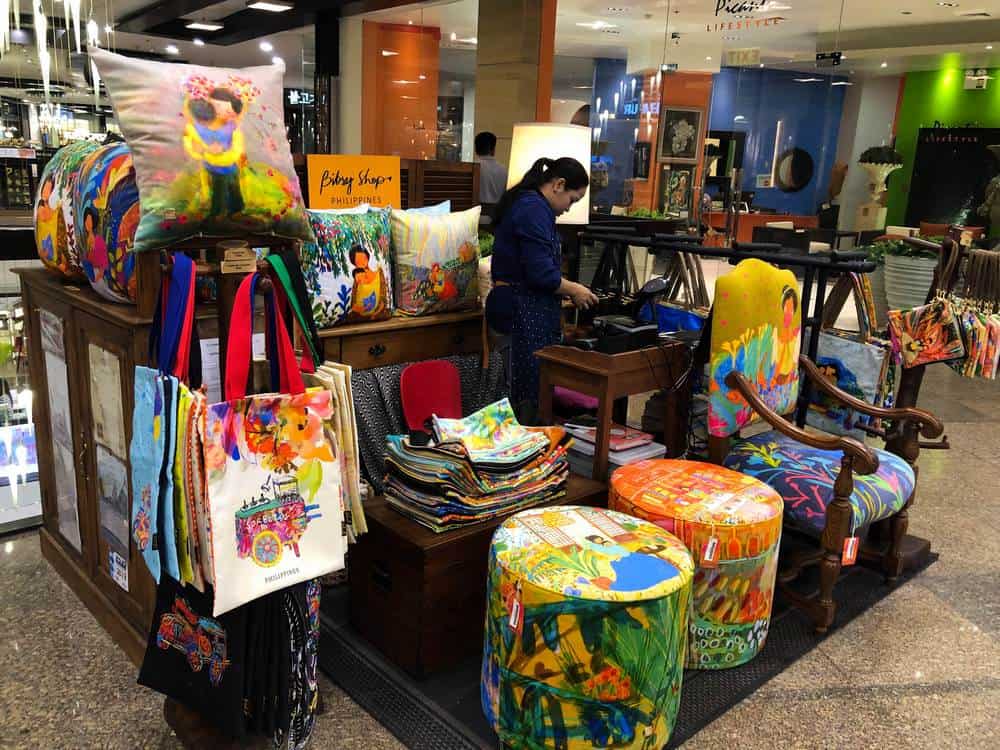
Small stands at Greenbelt Manila
Shopping in Puerto Princesa, Philippines
Palawan’s capital is a good place to go shopping in the Philippines. It’s a city that has grown a lot in recent years and become much more modern, so you have plenty of options.
- MCA Market Pasalubong Center: located just a few steps from the airport, it’s the typical cluster of souvenir shops—T-shirts, magnets or plush toys—as well as snacks or nuts. In Palawan, cashew cultivation is important, although it isn’t as cheap as you might expect. They also sell pearls, but be careful.
- SM Supermarket Puerto Princesa: this is a new-generation mall and, in addition to a Kultura Filipino shop, there are jewelry stores and a large supermarket.
- Delma Pearl and Souvenir Shop: pearls of all kinds and prices, as well as bags and other keepsakes.
- Binuatan Creations: for something a cut above, this shop focuses on typical Palawan textiles that you can find both in clothing and in bags. You can see the looms and Filipiniana dresses.
- Asiano Arts and Crafts: here you’ll mainly find Palawan handicrafts. Prices are higher than at other souvenir shops in Puerto Princesa.
- Old Public Market: in this market you can find a couple of shops with items made of rattan and other Philippine fibers. For example, there are pamaypays, hammocks, hats, etc., at good prices.
- Sabang: if you’re going to the Underground River located in Sabang, right next to the pier there are lots of souvenir shops.
Shopping in other places in the Philippines
Outside the big cities there are no huge shopping hubs in the Philippines, but you’ll find small shops where you can still pick up a few nice souvenirs. For example:
- El Nido: the Kalye Artisano market at Lio Beach. There’s also this roadside shop selling items made with Philippine fibers—bags, hats, napkin rings, etc.
- Siargao: the shop at Kermit hotel or Fat Lips. Along Tourism Road—the road from General Luna to Cloud 9—you’ll find lots of shops like Komunidad Siargao Shop, Butang Concept Store or The Whale’s Tale for souvenirs.
- Bohol: Bohol Bee Farm in Panglao, where you’ll find organic products. Islands Souvenir for T-shirts, Yool’s Souvenir Shop for common souvenirs and Tahu for more artisanal items.
- Banaue: this is one of our favorite areas if you’re after typical northern handicrafts. At the viewpoints you’ll find small shops, the busiest being the Banaue View Point.
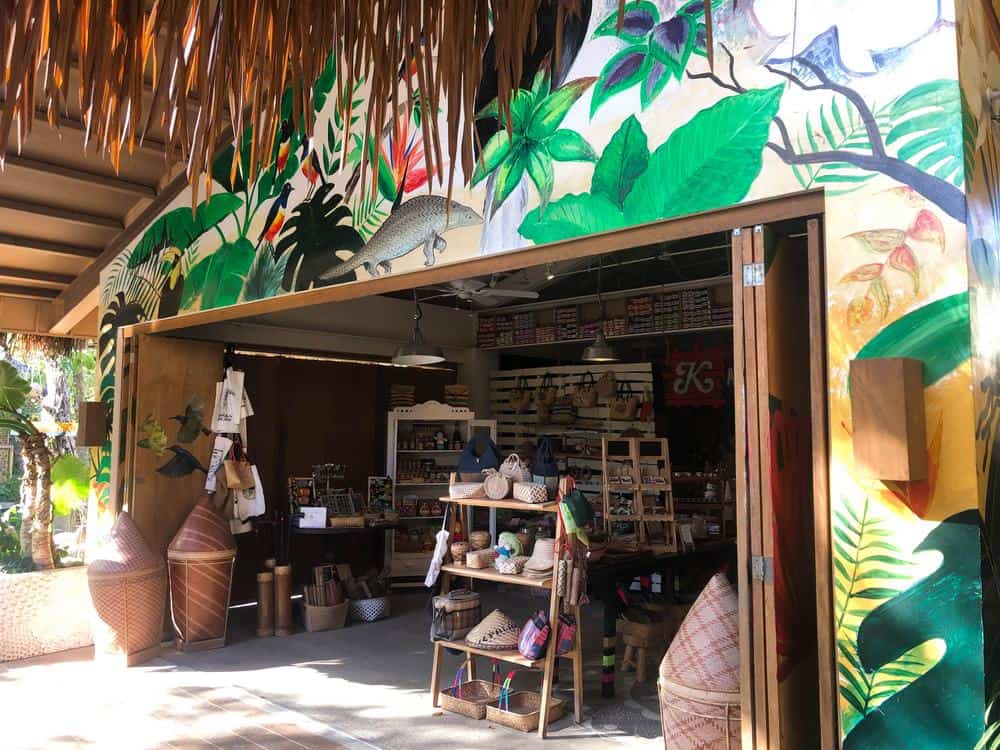
Kalye Artisano, El Nido, Lio beach
Shopping map in the Philippines
To help you get oriented, here’s a map where we’ve marked all these places to go shopping in the Philippines:
Frequently asked questions about shopping in the Philippines
Is there a VAT tax refund in the Philippines?
You might be wondering whether there’s any kind of VAT refund scheme or similar, as in countries like Japan or Thailand. Unfortunately, this still isn’t in place in the Philippines. So you won’t be able to claim a tax refund at the airport.
What do you recommend I buy in the Philippines?
We’d go for a special decorative item from an ethnic minority, something for the home such as bowls or kitchen utensils, and also a few packs of dried mango.
What are the best places to go shopping in the Philippines?
Although in almost any tourist spot you’ll find small souvenir shops, the best places to shop are Manila, Cebu and Puerto Princesa. There you’ll find not only basic keepsakes but also handicrafts from almost any corner of the Philippines. We’re big fans of the Kultura Filipino chain.
What are the best markets in the Philippines?
If you want something cheap, in Manila you have Divisoria—though don’t expect to find many handicrafts. For that, Greenhills is better; it’s not a market per se, but a mall full of little stalls. We also recommend the Salcedo Saturday Market and the Legazpi Sunday Market in Makati, Manila.
Where to buy imitations in Manila?
Without a doubt, at Greenhills Shopping Center.
We hope this roundup of what to buy in the Philippines and where to shop has helped you bring home a special reminder of the country. As you can see, you won’t be short of options! If you’re wondering what to pack in your backpack for your trip, don’t miss our article What to bring to the Philippines.
If you have any questions or suggestions about souvenirs in the Philippines, we’ll be happy to help in the comments.