With the constant arrival of new drone models at much more affordable prices than a few years ago, it’s increasingly common for many travelers to decide to get one to capture the most epic places of our trips. If getting a DSLR used to be a luxury and gradually became more common, something similar is happening with drones. If you’re thinking of traveling with your drone to the Philippines or even buying one specifically for this trip, we’re going to talk a bit about the rules and laws you need to keep in mind to fly safely without putting yourself, third parties, or your own wallet at risk. Charge your batteries and bring back a great memory of your trip to the Philippines!
Bringing a drone to the Philippines
Before getting into details, it’s important to answer a basic question many travelers ask: can you bring a drone to the Philippines? Unlike other countries such as Cuba, India, or Bhutan, where it’s completely prohibited or permits are required by a Ministry, you can travel with a drone to the Philippines without any kind of problem.
Keep in mind that there are airlines, such as Emirates, that by policy require you to check the drone. Check with your airline beforehand if you don’t want to fly with one that separates you from your drone during the journey.
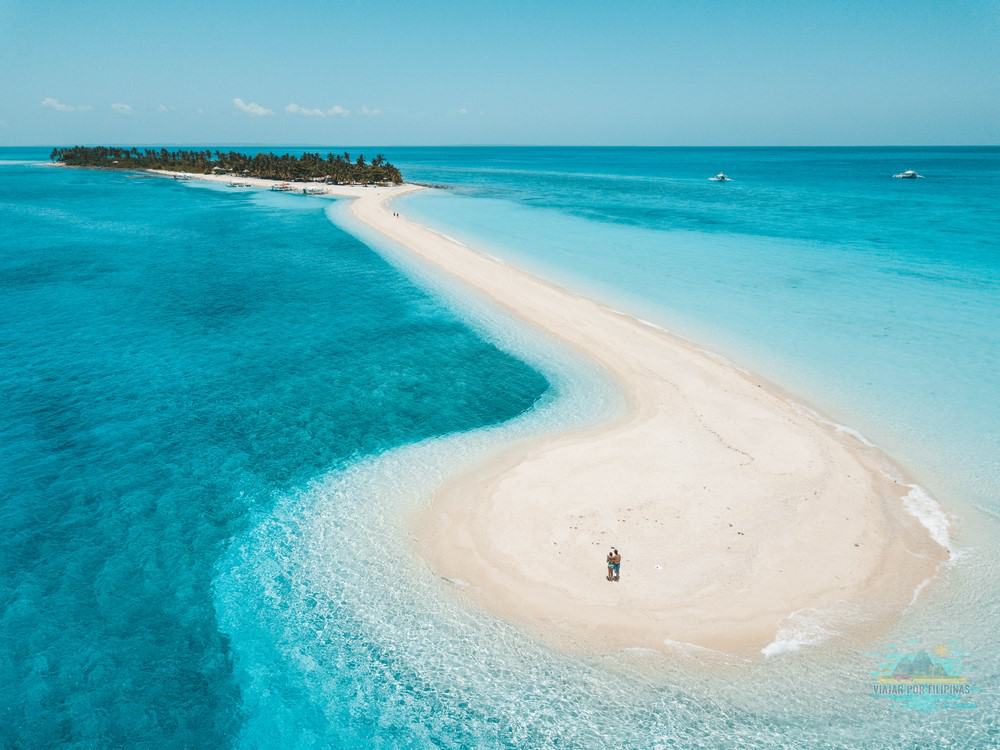
What if I have a layover in another country before flying to the Philippines?
Another frequently asked question is “Ok, I already know I can travel with my drone to the Philippines, but what happens if my flight has a layover in X?”. To answer that question, you need to consider whether you’ll leave the airport during the layover or not. If you’re not going to leave the airport during your layover, you don’t need to worry about your drone, whether you’re in London or Dubai, since it’s assumed you’ve already passed a security check and your luggage has been accepted.
If, on the other hand, you have a layover in another country and plan to leave the airport, whether to spend a few hours taking advantage of the stopover or to spend the night there, things change. In that case, what you need to know are the rules and laws about drones in the country where you’ll be.
In short, if you have a Madrid–Doha–Manila flight and you’ve boarded with your drone in Spain without any problems, you don’t need to worry about it during the flight. But if you’re going to leave your layover airport, you should look for information about that country’s legislation.
Flying a drone in the Philippines: what you can and cannot do
Compared with other Southeast Asian countries, when it comes to flying a drone in the Philippines you’ll probably find the fewest legal restrictions. For now, the legislation is very light and there’s much more permissiveness than in other destinations. Therefore, it’s also very important to strictly comply with the laws for flying drones in the Philippines, since otherwise the government will choose to take measures and toughen the legislation to avoid bigger problems.

The body responsible for regulating the laws regarding flying drones in the Philippines is the CAAP (Civil Aviation Authority of the Philippines), and it does so as follows:
- If it’s a flight for commercial purposes or the drone you’re going to fly in the Philippines weighs more than 7 kilos, it’s mandatory to have a certificate issued by the CAAP.
- Flying is only allowed during the day and with minimum weather conditions.
- The drone must always be within your line of sight.
- It’s prohibited to fly over populated areas, as well as large crowds of people (schools, markets, concerts…).
- It’s not permitted to fly above 120 meters above mean sea level.
- It’s completely forbidden to fly within 10 kilometers of an airport.
- Do not fly the drone in the Philippines less than 30 meters from children, elderly people, or pregnant women.
In this official CAAP video you can see a very clear summary of all this:
Our main advice in this case is very simple: use common sense. Follow these rules and whenever you have doubts, it’s better not to fly your drone in the Philippines. This is a country where, for example, there are many airports and, in the least expected place, there may be an air route. It happens on some islands you’ll visit during the island hopping in Coron: it’s not indicated anywhere, but there are scenic flights that pass through some areas. If you’re flying and you sense one is approaching, land quickly and keep enjoying the place from the ground.
Traveling with a drone by plane
Another important topic to consider when traveling with your drone is how to transport your aircraft when you fly. From our personal experience, we can tell you that we’ve never had any problems carrying our drone on the dozens of planes we’ve taken with it, but it’s important to keep a few things in mind.
Better to have extra time than not enough
Even though drones are increasingly common at airports, you can still run into a security agent who has never seen one or who has doubts about how to proceed. You’re not doing anything illegal, so there’s nothing to worry about, but try to go through security with plenty of time to spare to avoid delays.
The drone in carry-on luggage
If you’re traveling with a medium-small drone, such as a Mavic Pro, take it with you in your carry-on luggage. Not only will you avoid a possible theft (which isn’t common on flights in the Philippines), but you’ll also avoid a headache if baggage handlers throw your suitcase at some point.
Secure the batteries
On sites like Amazon, they sell special protective pouches for lithium polymer batteries. Ours, with capacity for 4, cost us 20$ and serve three functions. On the one hand, they prevent the batteries from taking hits while we travel; on the other, being fireproof, they save us trouble in case of failure and possible fire; and, lastly, they make airport staff look at you more favorably when they see that you transport your drone with a minimum of care.
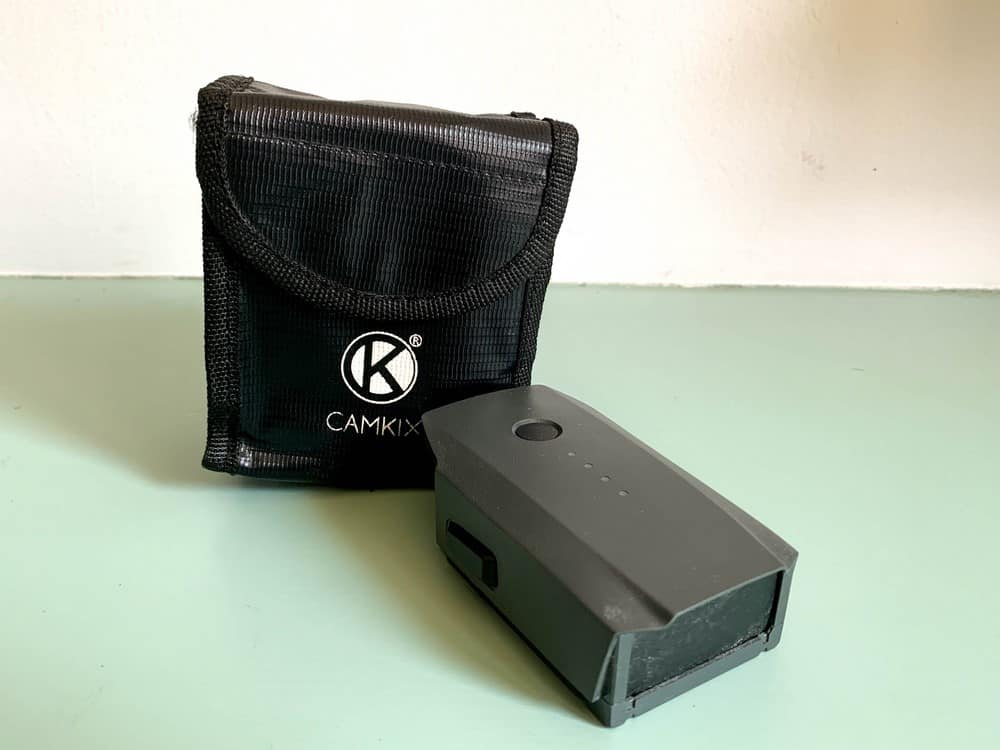
Better with discharged batteries
The less charge a battery has, the lower the chances of causing a fire. Therefore, many airlines allow you to travel by plane with a drone as long as the batteries are discharged. As we’ve said, although we comply with the rules for flying a drone in the Philippines and traveling with it by plane, no one has ever actually checked the battery. Don’t panic, but it’s important to have this information.
That said, if you fly with more than two batteries, it’s always advisable to split them with your travel companion to avoid anyone carrying a load greater than 100Wh (the Mavic Pro, for example, has up to 46Wh); this way you’ll avoid a possible waste of time if you run into a security officer who’s curious to snoop.
Recommended drone for traveling to the Philippines
Many of you ask us—especially through our Instagram accounts—which drone we use to travel around the Philippines and whether we recommend it. Our beloved “Macario II” is a DJI Mavic Pro model that’s highly, highly recommended for travel. One of its main advantages is its size and weight, since being a foldable and lightweight drone it’s super comfortable to carry around. We’ll soon publish a comparison article on the best drones for travel, but you can see more information about the one we use here:
Drone for traveling to the Philippines
If this one doesn’t fit your budget, our guide to the best drones for travel has some very tempting alternatives:
Other tips for flying your drone in the Philippines
As a final recommendation before you head to the Philippines to take aerial photos and videos with your drone: invest in its protection. We suggest getting a protective case that’s at least lightly padded and properly insulates your aircraft from the outside.
During your trip to the Philippines, you’ll have to board boats, bangkas, planes, or vans full of people in which your luggage will be moved around. Therefore, it’s better that your drone doesn’t travel inside your backpack unprotected. When choosing your bag or protective case, keep in mind that you’re traveling to a humid country, so the more insulated the drone is, the better. A bit of humidity or water can fog up the camera lens and leave you without photos for the entire trip. It’s happened to us!
Likewise, it can happen to any of us that—due to our mistake, the weather, or the software—we have a small accident and a battery or a propeller suffers damage. In the Philippines, except in a couple of cities, it’s very difficult to find this kind of gadgets, so it’s highly recommended that when you travel with your drone to the Philippines you take some spare parts with you.

And, of course, always remember to keep your drone’s software up to date and calibrate it to avoid a scare when you’re mid-flight over the sea.