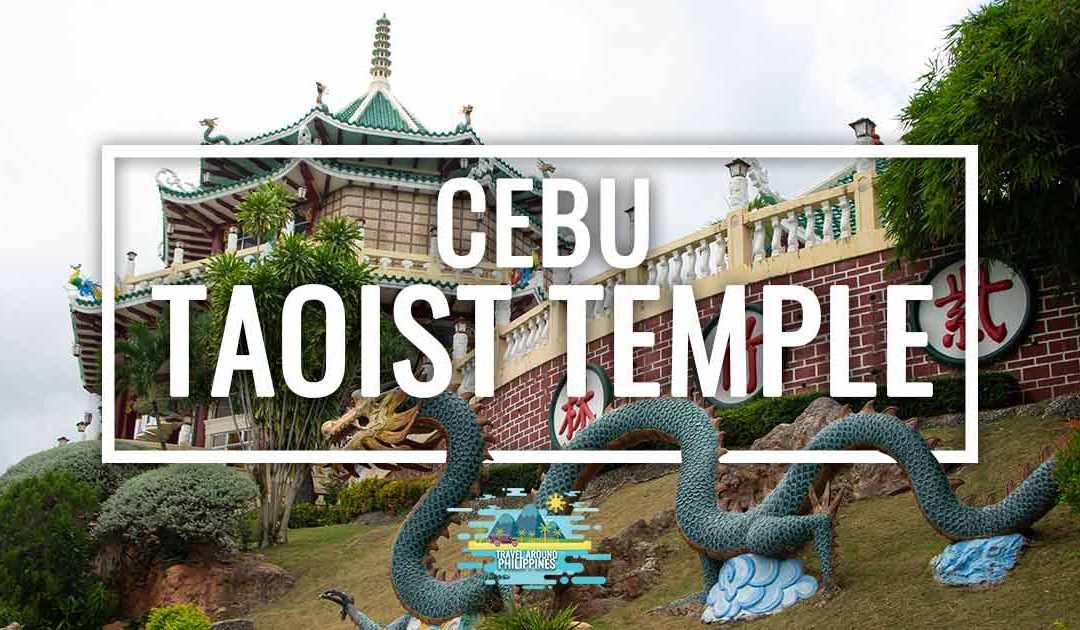
Cebu, like most big cities in the country, is usually just a stopover in travel itineraries around the Philippines. Its chaotic traffic and the absence of those paradise beaches that draw most travelers to the archipelago mean that this large city is mainly used as a connection point between other destinations. In fact, from Cebu you can easily get to almost anywhere in the country.
But if, during your stop in the city before heading elsewhere, you have time to discover it—or you simply decide to devote a day to it and make the most of its historical legacy and points of interest—there’s one place you can’t miss: the Cebu Taoist Temple.
How to get to the Cebu Taoist Temple
The Cebu Taoist Temple is located in Beverly Hills, an upscale neighborhood on the outskirts of the city. The most convenient and fastest way to get there is by requesting a taxi through the Grab app (the Asian Uber – Cabify). The ride from a central area like Fuente Osmeña will take about 20 minutes or so.
Bear in mind that the Taoist Temple is in a residential area where there’s little more than homes and the temple itself. That means the only taxis that pass by are those bringing tourists to see the temple, and the options to get back are nil unless you’ve arranged your return upon arrival. We went on a day when we weren’t in a hurry and decided to head back calmly, walking to Gorordo Ave, about 16 minutes away, and catching another taxi there. Given how chaotic Cebu is, being able to stroll in an area with hardly any traffic and surrounded by greenery is a nice bonus.
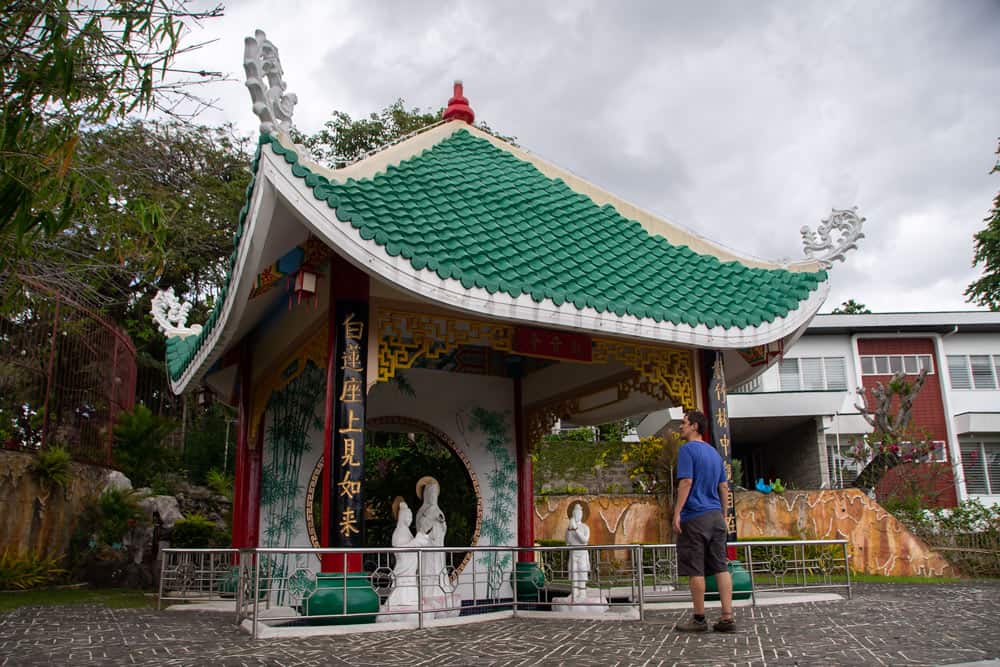
If you’d rather save time and, once you’ve finished your visit, continue on to your next stop of the day, you have a couple of options:
- You can hail a taxi anywhere in the city and tell the driver you want to go to the Taoist Temple. Most likely, they’ll suggest a complete visit package that includes taking you there, waiting about 30/45 minutes, and then driving you to your next destination. Obviously, since you’ll have them waiting instead of working, the price will be considerably higher than simply getting there by taxi and then following our steps to find another one outside Beverly Hills. If you’d like, we can give you a trusted contact.
- Another option, much more convenient if you feel like continuing to discover Cebu’s must-see places, is to visit the Taoist Temple as part of a Cebu Tour. There are options in both English and Spanish, and with them you’ll visit places such as Magellan’s Cross, the Basilica del Santo Niño, Fort San Pedro, or the beautiful Yap House Museum without having to worry about transport at all. If this more comfortable, complete option appeals to you, we suggest the following tours:
More information about the 4-hour Guided Tour of Cebu in Spanish
More information about the 7-hour Guided Tour of Cebu + Mactan in Spanish
More information about the 3-4 hour Shared Guided Tour of Cebu in English (cheaper)

What awaits you at the Cebu Taoist Temple
The Taoist Temple was built in 1972 thanks to a major fundraising effort carried out by the Chinese community living in Cebu, seeking a place where they could meet their spiritual needs.
Of course, a place devoted to reflection and inner peace couldn’t be located in the center of a city as “busy” as Cebu, so they decided to invest in one of the calmest and most relaxed areas of the city. Access to the Beverly Hills neighborhood is private, so in this area you’ll only see cars belonging to people who live there or taxis going exclusively to visit the Taoist Temple. Set at more than 300 meters above sea level, it offers panoramic views of the entire city, far from the intense noise of traffic.
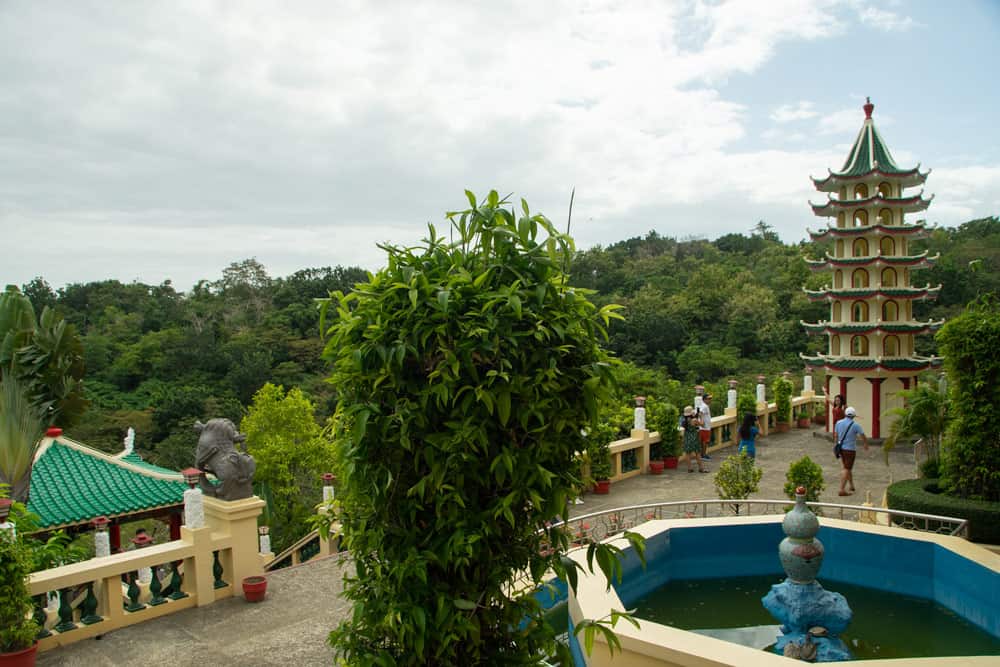
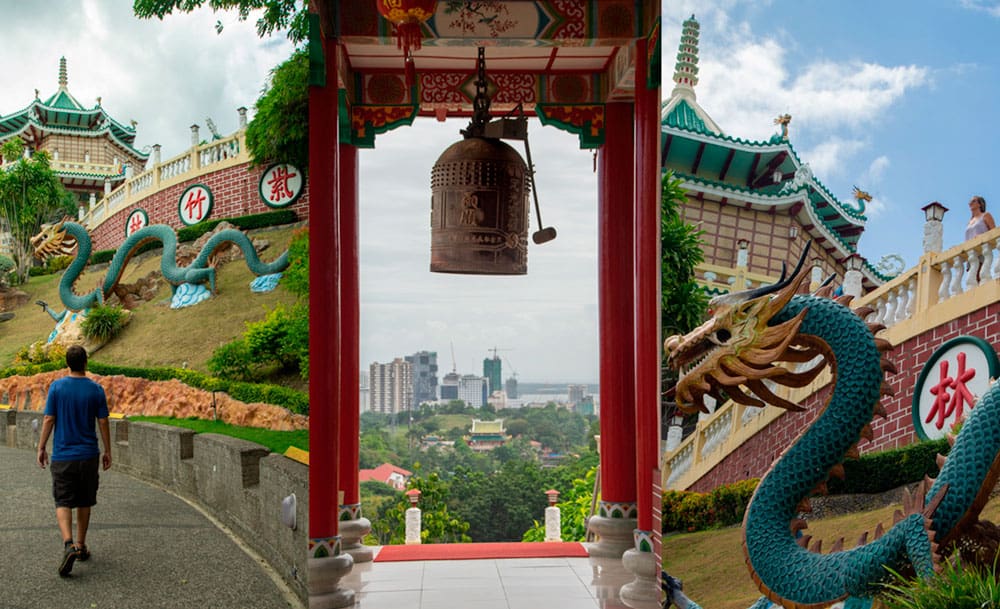
The first thing you’ll find after crossing the main entrance gate of the temple is a staircase of 81 steps, one for each chapter of the Taoist scriptures. After the climb, and once you’ve caught your breath, you’ll be facing the temple’s main hall. No matter how many other Chinese temples you’ve visited, this one will undoubtedly surprise you with its architecture, its different dragons watching from the roof and, of course, the lovely views that on clear days go beyond Mactan Island and reveal the coast of Bohol.
Take some time to stroll around the temple and get to know its different spaces. The large viewpoint overlooking the gardens, the small pond full of turtles, the pagoda next to the main temple… Take your time and enjoy the peace and quiet of the place.
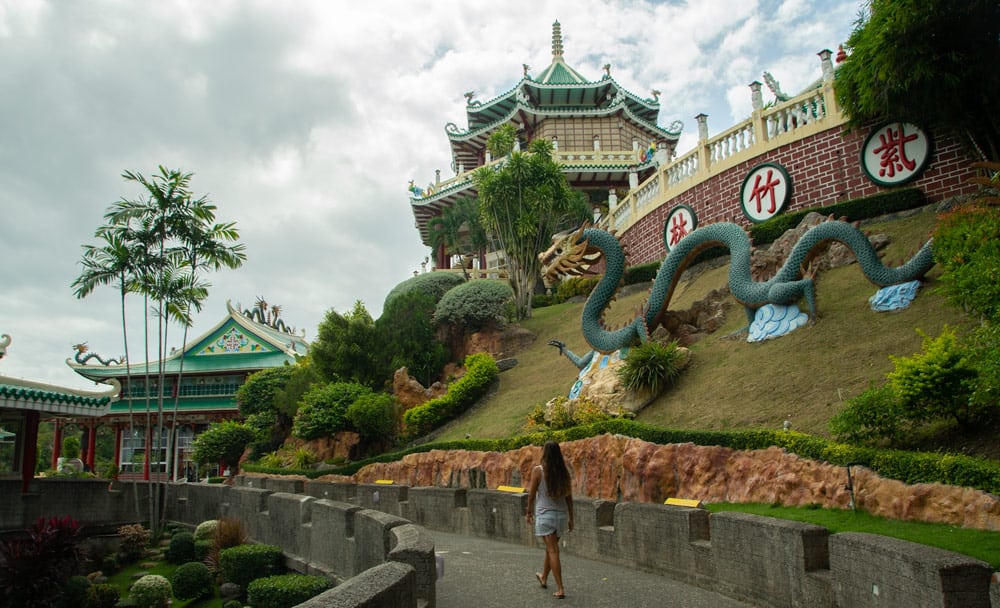
At the back of the Cebu Taoist Temple is one of the most picturesque places in the sanctuary and an ideal setting for a photo that’s very popular among the most Instagrammable places in the Philippines. Here, under a pretty and colorful small-scale replica of the Great Wall of China, a huge dragon marks what is the back gate of the compound. Don’t leave without the classic photo!
The Taoist ritual to ask God
We’ve mentioned the different parts of the Taoist Temple, but we’ve left one for last—the main building—because inside you can carry out a very special rite that’s worth explaining separately. Keep in mind that silence is requested throughout the complex, and that here, in addition, taking photos or videos is strictly forbidden.
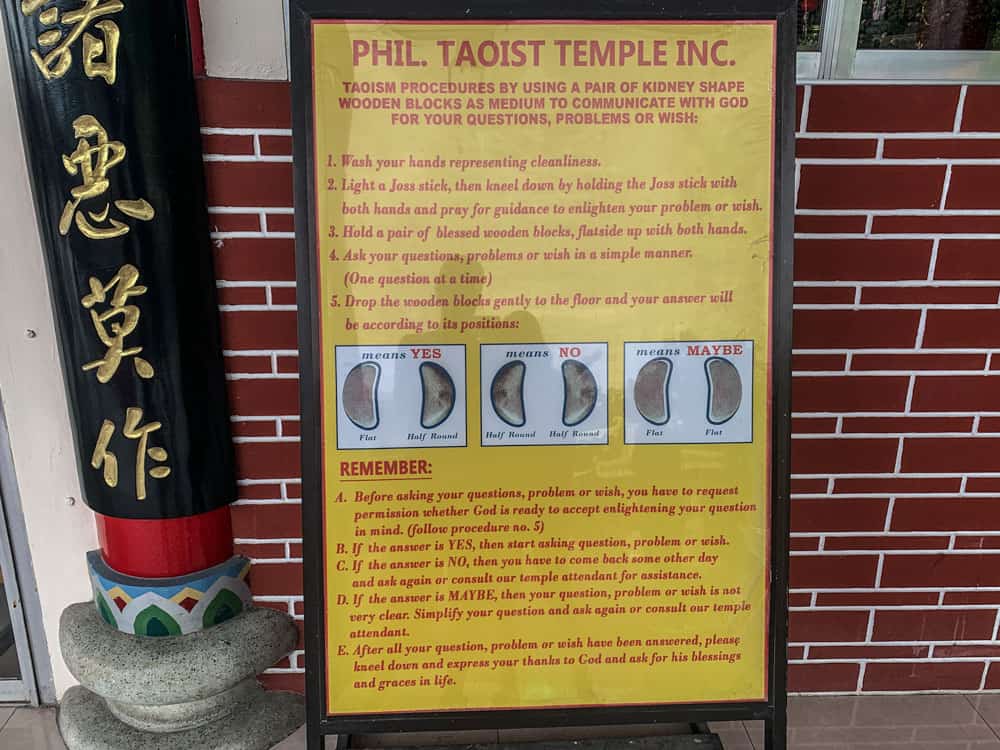
Taoism says that, through this ritual, it is possible to receive God’s answer to any question you ask. Whether you’re a believer or not, sharing the experience with a member of the temple and getting to know their beliefs up close is truly a beautiful moment.
Possibly, when you enter and they see you approaching the altar, one of them will come to you and offer to help you follow these steps:
- First you must wash your hands thoroughly, an act that symbolizes purity.
- Then you must light one of the incense sticks you’ll see available there and bow facing the main altar.
- Next you must take two kidney-shaped wooden blocks and let them fall. If both fall with their concave side facing up, it means you cannot ask your question because at that moment you are not ready to speak with God and you should return another day. If one lands face up and the other face down, you’ll have the green light to ask your question. If both land face down, you should focus and try again to contact the divinity.
- If you get your YES, you’re fit to ask. Bow again, formulate your question mentally, and you will receive your answer. If both wooden kidneys end up face down, it translates as a “maybe” and you should reformulate your question in a more concrete way.
If you’re lucky enough that one of the temple members approaches you to help (you can also try asking them directly), you’ll see they include more detail than what’s shown in the guide at the door. More bows, claps… We invite you to do it with them!
After this ceremony, a small donation for the maintenance of the compound is appreciated.
Price and opening hours of the Cebu Taoist Temple
Admission to the Taoist Temple is completely free, but a small donation is appreciated to support its upkeep.
Opening hours are from 06:00 to 16:30. If you visit during the months of November/January, when the sun sets earlier, and you stay until closing, you may be able to see the temple with its peculiar reddish night lighting. In that case, though, forget about enjoying the views of Cebu.
Keep in mind that at the moment (yes, we’re talking about 2024) they are asking people to wear masks, so remember to bring one so you don’t drive yourself crazy looking for it.
More info to enjoy Cebu
This guide to visiting the Taoist Temple is part of our detailed Guide to Cebu. In it you’ll find all the information you need to make the most of the capital of the Visayas islands. If you intend to give the city a chance, here’s a preview of what awaits you:
Things to do in Cebu
As we’ve said, if you decide to explore and discover Cebu City, it may surprise you. In Things to do in Cebu we tell you all about it in detail but, to whet your appetite, here are some examples:
- Visit the Basilica del Santo Niño: the place where the image of the Santo Niño is kept, the most cherished relic among Filipinos and a precursor of Christianity in the country.
- Cebu’s ancestral houses: a perfect place to travel back in time and learn how Cebu’s well-to-do families lived in the 16th century.
- Fort San Pedro: a defensive stronghold key to Cebu’s maritime defense and the first built in the country by Spanish colonizers.
- Sirao Flower Garden and the Temple of Leah: on the outskirts of the city you’ll find these two unique places that take you from gardens worthy of Amsterdam to a temple that seems straight out of the Roman Empire.
Where to stay in Cebu
If you’re looking for a hotel in a central area, a few minutes from Fuente Osmeña, from where you can visit the Taoist Temple and other places of interest in the city, we recommend taking a look at this hotel where we stayed on our last visit. Highly recommended! You can see our article – review where we analyze the hotel here or check availability and prices for your travel dates directly here:
More info and prices for this hotel
If you want to learn about the different areas to stay in Cebu and our recommendations, you’ll find much more information in our guide:

How to get to Cebu
At the beginning of this article we told you how to get to the Cebu Taoist Temple from the city itself. If you’re still in the stage of planning your trip to the Philippines, you might not be sure how to get there. No problem! Here you’ll find everything you need to know to get there from anywhere in the country:
What did you think of the Taoist Temple? Are you up for visiting it? If you have any questions, leave them in the comments and we’ll be happy to help.